
What’s trending
Harnessing AI for extreme weather prediction

UC Santa Cruz researchers are finding new ways to leverage AI to better predict rare, unprecedented events like Category 5 hurricanes.
Featured news

Misleading text in the physical world can hijack AI-enabled robots, cybersecurity study shows
New research anticipates hijacking against AI systems in order to create defenses for a more secure future.

Five student projects funded by 2025-26 CITRIS Tech for Social Good Program
This program supports cross-disciplinary student projects and events aiming to address significant social challenges with technology-based solutions.

Three UC Santa Cruz professors and one student recognized as Santa Cruz Works ‘Titans’
This recognition celebrates their contributions to the region’s technology, innovation, and entrepreneurship ecosystem.

Shaping the future of artificial intelligence
UC Santa Cruz experts are working to guide AI in ethical, sustainable, and socially beneficial directions
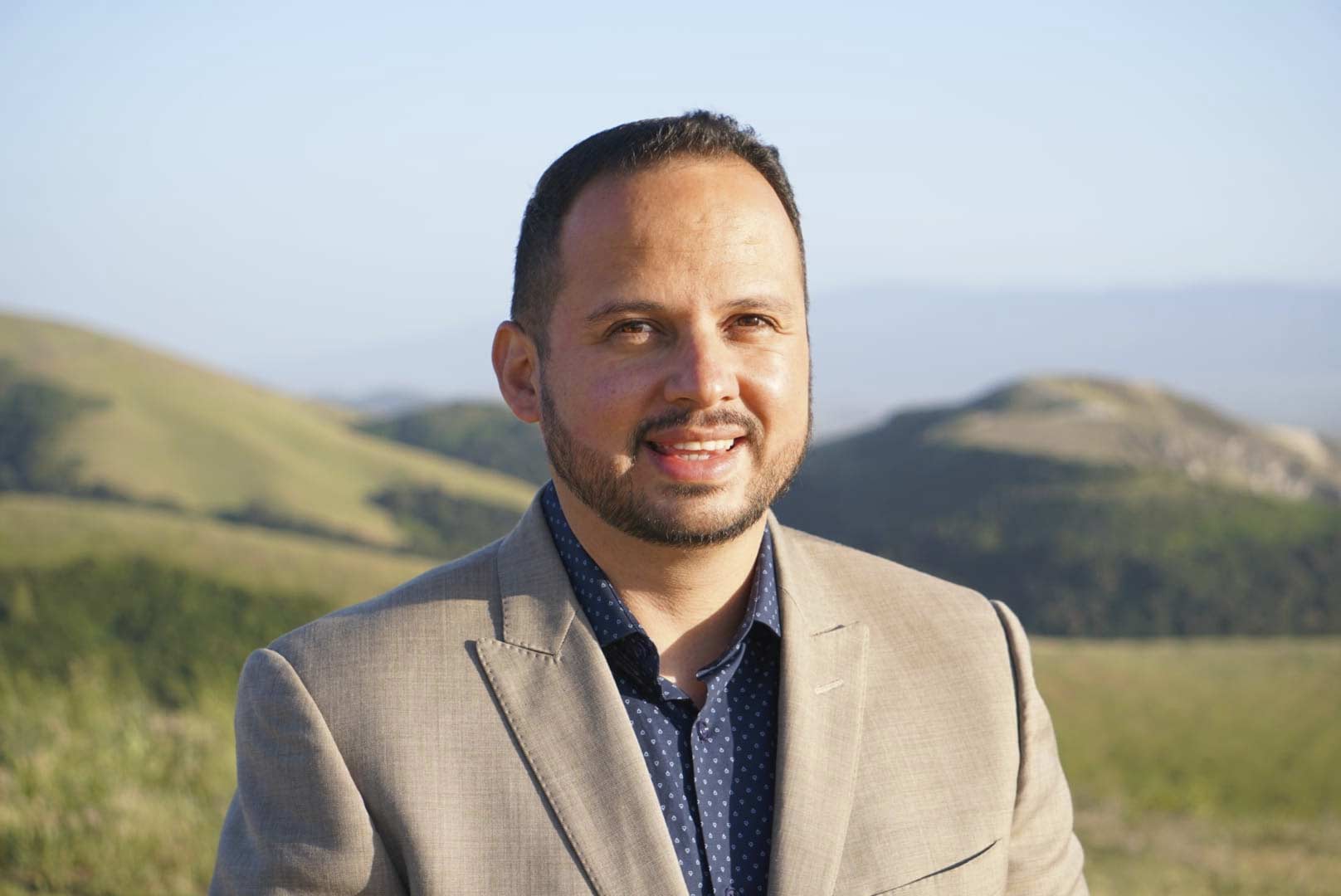
Javier Gonzalez-Rocha maps air quality with drones
UCSC engineer Javier Gonzalez-Rocha is using drones and sensors to bring advanced air quality monitoring to underserved agricultural communities on California’s Central Coast.
Apply for CITRIS STEM weekend workshop: ¡Valle! Get Your Start in Tech!
This program is designed to equip students with the skills, confidence, and connections needed to pursue rewarding careers in the tech industry.
In the media
- Risk of an adverse drug reaction may be influenced by specific Indigenous ancestry groups. Genetic studies using a broad population category such as “Latino” or even “Mexican” wouldn’t pick up these elevated risks, the researchers say. Yet that’s the level of detail usually available in large population-based gene banks, says Max Haeussler, head of the […]
- The Seymour Marine Discovery Center, Professor of Electrical and Computer Engineering Marco Rolandi’s lab, Halon Entertainment, and swellcycle are teaming up to restore and preserve Ms. Blue, an iconic blue whale skeleton.
- In research on fidgeting, UC Santa Cruz Professor of Computational Media Katherine Isbister has found that people engage in fidgeting when they’re trying to pay attention to a task that’s taking a long time, or in a long meeting (even if at the annoyance of those around them).
- A project led by Assistant Professor of Applied Mathematics Javier Gonzalez-Rocha is using drone flights and new monitoring technologies to better understand when and where farmworkers are most severely exposed to air pollution.
- IEEE Spectrum’s most popular biomedical stories of the past year centered both on incorporating new technologies and revamping old ones, featuring work from Professor of Computer Science and Engineering Katia Obraczka’s lab on using Wi-Fi to detect heartbeat.
- Fire Oracle, one of the projects developed at the Reboot the Earth hackathon hosted by the United Nations and the UC Santa Cruz Baskin School of Engineering, uses machine learning to accelerate prescribed burn planning.

Interested in receiving a monthly roundup of the latest Baskin Engineering news stories?
More Baskin Engineering news and awards
-

2026 Awards and Accolades
An ongoing list of 2026 accolades and research awards received by Baskin Engineering faculty, students, and staff.
-

Baskin Engineering MESA student wins STEM entrepreneurship contest
Gabriel Garcia Gonzalez, a UC Santa Cruz undergrad studying robotics engineering, claimed the top title the 2025 MESA Idea Accelerator alongside team members Alicia Gan of Southwestern College and Ameil…
-

Baskin Engineering MESA students connect with industry at Student Leadership Conference event
A group of talented UC Santa Cruz MESA students connected with industry professionals in San Francisco during an invite-only STEM conference. MESA’s Student Leadership Conference brought together hand-picked engineering and…
Media Contact:
Emily Kathleen Cerf
- Title
- Engineering Writer and Media Relations Specialist
- Phone
- (415) 306-3483
- Campus Email
